Exploring What Makes Fertility Tests Popular in 2026 Seasons
As we delve into the seasons of 2026, the realm of fertility testing has emerged as a focal point for many individuals and couples seeking to understand their reproductive health. The surge in popularity of these tests can be attributed to several factors, including advancements in technology, increased awareness around reproductive health, and changing societal norms regarding family planning.
Technological Advancements
One of the most significant drivers of the popularity of fertility tests in 2026 is the rapid advancement in technology. Fertility tests have evolved from traditional methods to more sophisticated and user-friendly options. At-home fertility kits have become increasingly accurate, allowing users to track ovulation and hormone levels with minimal effort. These innovations mean that individuals can now take control of their reproductive health in the comfort of their own homes.
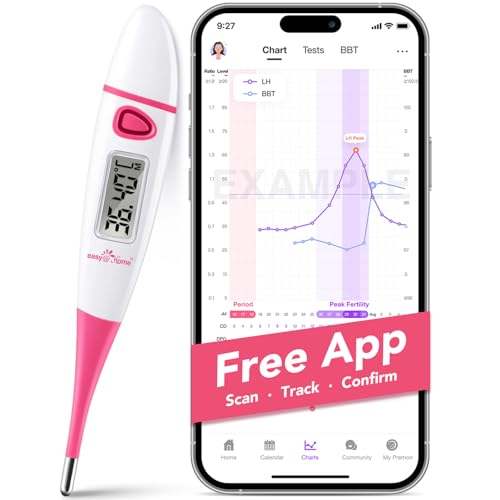
In 2026, many fertility tests incorporate mobile applications that provide real-time data analysis and personalised insights. These applications not only enhance user experience but also enable users to share results with healthcare professionals seamlessly. The integration of artificial intelligence has further refined the accuracy of these tests, providing users with a reliable understanding of their fertility status.
Increased Awareness of Reproductive Health
Alongside technological advancements, there has been a significant increase in awareness surrounding reproductive health. Educational campaigns and social media platforms have played a crucial role in disseminating information about fertility and the importance of understanding one's own reproductive system. In 2026, more individuals are recognising that knowledge is power, leading to proactive steps in assessing their fertility health.
This heightened awareness has resulted in many individuals seeking out fertility tests as a means of understanding their bodies better. The stigma that once surrounded fertility issues has diminished, paving the way for open discussions regarding reproductive health. As more people share their experiences, the normalisation of fertility testing has encouraged others to explore their options without fear or embarrassment.
People Also Look For:
- DB2 Vehicle GPS Tracker - Self Installation, Cost-Effective - Pay As You Go Car Tracking Device, Real-Time Monitoring for Fleet, V...
- 30 x One Step Ovulation Strips 30miu/ml Test Kit Sensitive Fertility Predictor Testing Sticks (Wide Width)
- Ceptics 35W Universal Travel Adapter Kit – 2 USA sockets, USB-A, USBC, 1x PD 35W USB-C and USBC Cable, Surge Protected, Plu...
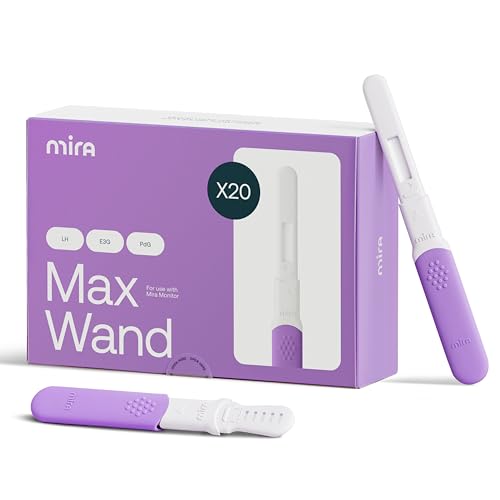
- Mira Fertility MAX Wands, Ovulation Test Strips for Women, Monitor and Detect Ovulation at Home, Track PdG, LH and E3G, Use with T...
- MyOva Preconception - Fertility Boosting PCOS Supplement - 30-Day Supply - 2000mg Myo-Inositol & 400ug Folate for PCOS Support - P...
Changing Societal Norms
In 2026, societal norms regarding family planning and parenthood have shifted significantly. Many individuals and couples are choosing to delay starting families for various reasons, including career ambitions and personal aspirations. This trend has led to an increased interest in fertility testing as people seek to understand their reproductive timelines better.
With the understanding that age can impact fertility, more individuals are opting for early testing to gauge their reproductive health. This proactive approach allows for informed decision-making regarding family planning and can alleviate potential anxieties associated with delayed parenthood. The rising popularity of fertility tests reflects a broader societal shift towards prioritising informed choices in reproductive health.
The Role of Healthcare Providers
Healthcare providers have also played a pivotal role in the increasing popularity of fertility tests in 2026. With the growing recognition of the importance of fertility health, many healthcare professionals are now recommending fertility testing as part of routine health assessments. This endorsement not only legitimises the use of these tests but also encourages individuals to take proactive measures regarding their reproductive health.
Moreover, the collaboration between fertility clinics and technology companies has resulted in comprehensive support systems for individuals undergoing fertility testing. Access to counselling and educational resources has made the process more approachable and less intimidating for users. This support system is crucial in helping individuals interpret their results and make informed decisions about their reproductive health.
Affordability and Accessibility
As we progress through 2026, the affordability and accessibility of fertility tests continue to improve, making them more attainable for a broader audience. Many companies offer competitive pricing, and some healthcare insurance plans now cover fertility testing as part of preventative care. This shift has made it easier for individuals from various economic backgrounds to access these critical tests, further contributing to their popularity.
With various options available, individuals can choose tests that best suit their needs and budgets. The increase in accessibility has led to a more diverse demographic engaging with fertility testing, breaking down previous barriers and misconceptions.
Innovation in Test Design
Another factor propelling the popularity of fertility tests in 2026 is the continuous innovation in test design. Companies are now focusing on creating user-friendly and aesthetically pleasing products that appeal to a younger demographic. The modernisation of packaging and branding has transformed fertility tests from clinical and sterile products to appealing health and wellness items.
This shift not only attracts a broader audience but also encourages individuals to view fertility tests as an integral part of their health and wellness routine. The emphasis on design and user experience has made fertility testing more inviting, further solidifying its place in contemporary health practices.