Evaluating the Most Effective Fertility Tests Available in 2026
Fertility testing has evolved significantly over the years, with advancements in technology and medical research paving the way for more accurate and reliable assessments. In 2026, couples facing challenges in conceiving have access to a variety of fertility tests designed to provide insights into reproductive health. This article explores the most effective fertility tests currently available, focusing on their methodologies, accuracy, and relevance in assessing both male and female fertility.
Hormonal Testing
Hormonal testing remains a cornerstone of fertility evaluation, providing critical information about reproductive hormones that regulate the menstrual cycle and ovulation in women. Tests such as the Follicle Stimulating Hormone (FSH), Luteinising Hormone (LH), and Oestrogen levels are commonly utilised to assess ovarian function. Additionally, progesterone levels are measured to confirm ovulation. In men, tests for testosterone and other hormones can indicate potential issues with sperm production.
Ovarian Reserve Testing
Ovarian reserve testing has gained prominence as a means to evaluate a woman's fertility potential. In 2026, tests such as the Anti-Müllerian Hormone (AMH) test and antral follicle count via ultrasound are widely recommended. The AMH test measures hormone levels that indicate the number of viable eggs remaining in the ovaries, while the ultrasound provides a visual count of the follicles. These tests help in understanding the reproductive lifespan and can guide couples in making informed decisions regarding their fertility journey.
People Also Look For:
- Clearblue Advanced Digital Ovulation & Pregnancy Test, Double Your Chances of Getting Pregnant. 30 Advanced Digital Ovulation Test...
- Premom Semi-Quantitative Ovulation Test Strips, Ovulation Predictor Kit with Smart Digital Ovulation Reader APP, Numerical Ovulati...
- Sunflower Consultation Desk Wave (Right Hand) - 120cm(W) x 74cm(H) x 100cm(D) (Sun-DESK8/120)
- Wondfo Ovulation Test Strips 25 Pack Ovulation Predictor Kit with Urine Cups to Know Your Most Fertile Days 5MM Width
- Clearblue Fertility Monitor Advanced, Test For Ovulation & Pregnancy, Increases Chances Of Getting Pregnant Naturally By 89%, 1 To...
Semen Analysis
For men, semen analysis is a crucial component of fertility testing. This comprehensive evaluation examines various parameters including sperm count, motility, morphology, and overall semen quality. In 2026, advancements in semen analysis technologies have allowed for more precise assessments, with some laboratories employing computer-assisted sperm analysis (CASA) systems to enhance accuracy. Understanding these parameters is essential for diagnosing male infertility and determining suitable treatment options.
Genetic Testing
Genetic testing has emerged as an invaluable tool in fertility assessment, particularly for couples with a history of genetic disorders or recurrent miscarriages. In 2026, tests such as Preimplantation Genetic Testing (PGT) and carrier screening are increasingly available. PGT allows for the examination of embryos for specific genetic conditions before implantation during in vitro fertilisation (IVF). Carrier screening determines whether one or both partners carry genes for hereditary disorders, which can inform reproductive choices and management strategies.
Imaging Techniques
Imaging techniques play a significant role in evaluating structural abnormalities that may affect fertility. In 2026, the use of transvaginal ultrasound and hysterosalpingography (HSG) has become standard for assessing the female reproductive tract. These imaging methods allow for the identification of issues such as polyps, fibroids, and blockages in the fallopian tubes. Additionally, advancements in magnetic resonance imaging (MRI) technology are providing further insights into reproductive anatomy, ensuring that potential obstacles to conception are accurately diagnosed.
At-Home Fertility Tests
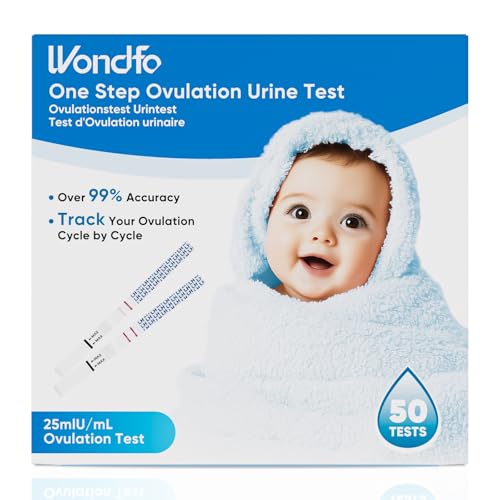
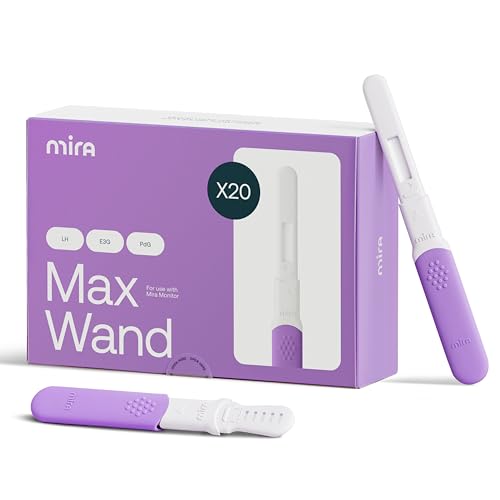
The rise of at-home fertility tests has empowered individuals to take the first steps in their fertility journey. In 2026, a variety of products are available that allow for the monitoring of ovulation and hormonal levels from the comfort of home. These tests often utilise urine or saliva samples to detect hormonal surges, providing insight into optimal timing for conception. Although these tests can be helpful, they are generally recommended as preliminary tools, with further clinical testing advised for comprehensive evaluation.
Conclusion
As the landscape of fertility testing continues to evolve, couples seeking to understand their reproductive health in 2026 have a range of effective options at their disposal. Each test offers unique insights that can inform treatment decisions and enhance the chances of conception. With ongoing research and technological advancements, the future holds promise for even more innovative approaches to fertility assessment.